We build shaft walls for elevators and stairwells with fire safety and strength.
Shaft wall systems play a vital role in modern commercial construction – especially in high-rise, institutional and mixed-use buildings. Unlike standard drywall partitions, these assemblies are engineered for fire resistance, structural performance and acoustic separation. At Express Drywall Services, we install shaft wall systems that protect stairwells, elevator shafts, duct risers and vertical mechanical chases. Our team follows UL-listed designs and Ontario Building Code standards, ensuring each assembly passes inspection the first time.
These walls are often built from one side only, making them ideal for tight core areas or multi-floor coordination. We work with fire-rated shaftliner board, steel framing, insulation and deflection components to build walls that last. From layout to lift staging, we plan each floor for clean, phased progress. Shaft walls are frequently installed in tandem with services like fire-resistant drywall, sound-rated partitions and framing (steel stud) for a complete solution. Whether your project involves new construction or a retrofit, we deliver shaft wall systems that perform under pressure.
When Vertical Wall Systems Are Required


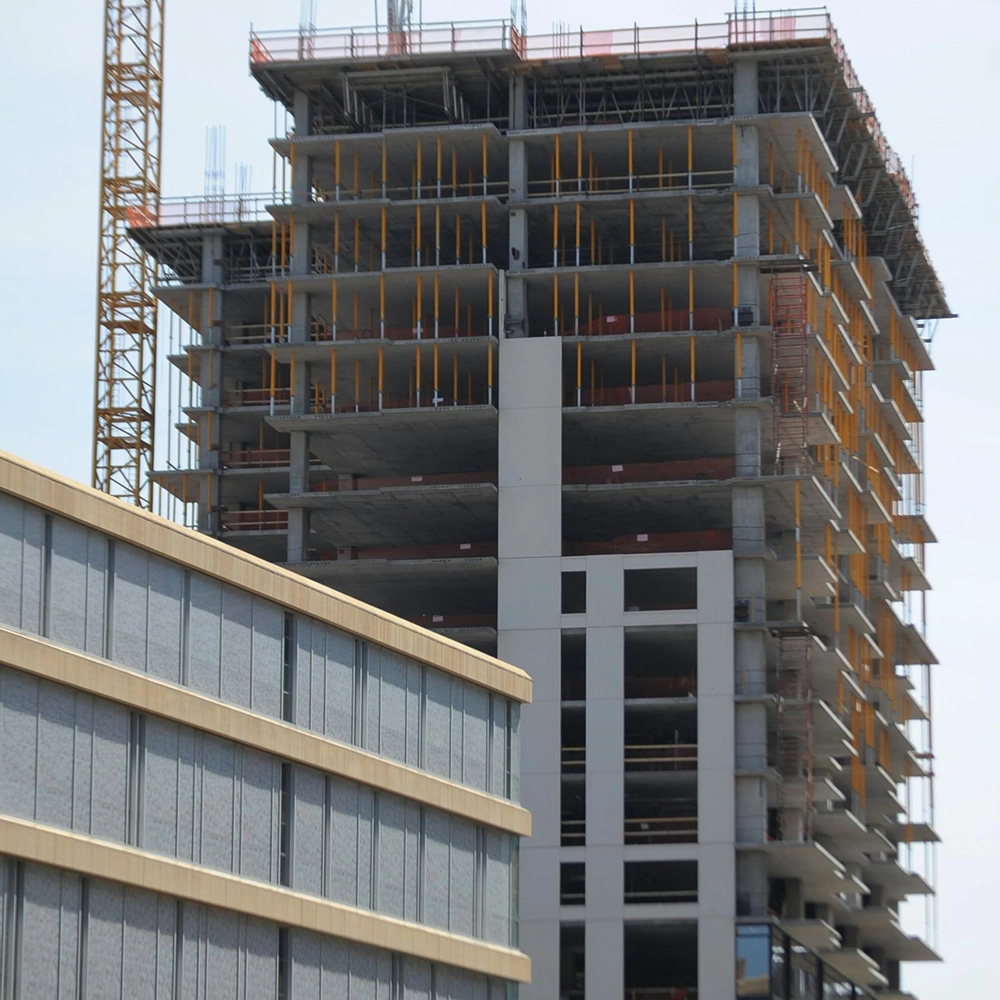
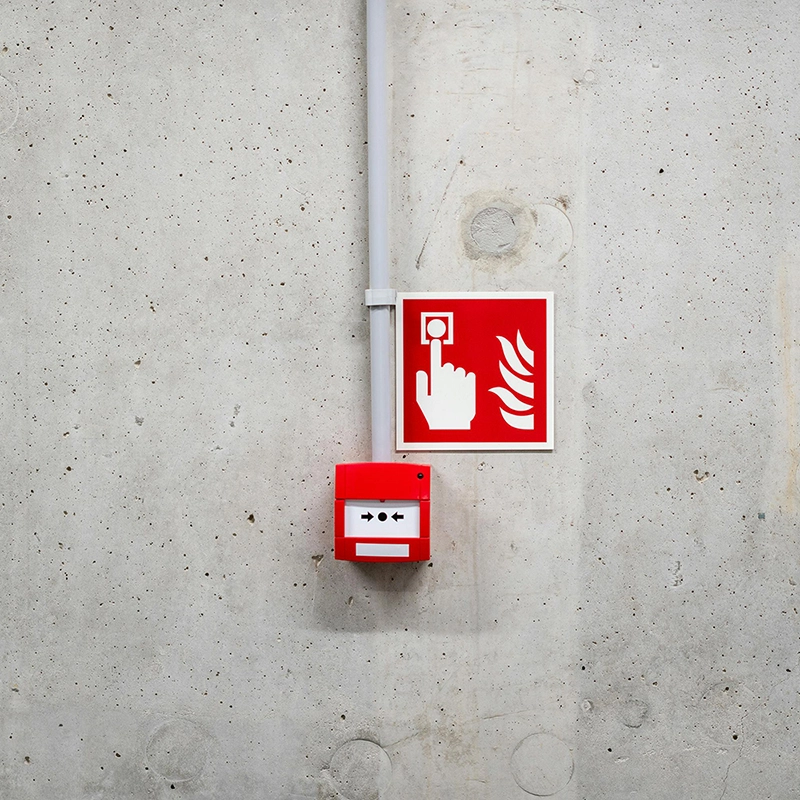
Shaft wall assemblies are essential in commercial buildings where vertical fire and sound separation is required. They’re used to enclose elevator shafts, stairwells, duct risers and mechanical chases from the interior side of the structure. You’ll typically need them in mid-rise and high-rise construction, hospitals, schools, multi-unit residential buildings and commercial complexes.
These systems must meet stringent fire ratings, allow access for trades and remain structurally stable under pressure differentials. You may also require shaft walls where space constraints or staggered installation timelines make traditional framing impractical. Express Drywall Services installs these assemblies to all standards with precision, safety and inspection-readiness in mind.
Sequenced for Multi-Floor Progress
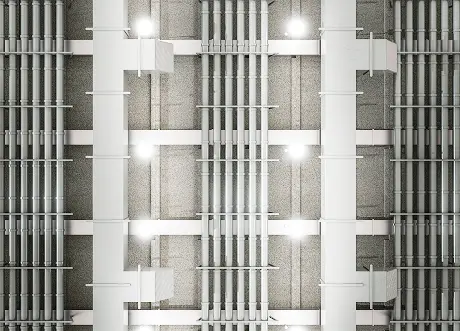
In commercial construction, timing is everything – especially when you’re going vertical. Shaft wall assembly is critical to the sequencing of high-rise and mid-rise buildings, forming the backbone of elevator shafts, stairwells and duct risers. These assemblies must go in early and cleanly to allow mechanical, electrical and elevator contractors to follow without delay.
At Express Drywall Services, we coordinate shaft wall installation with structural progress and concrete pours to avoid scheduling conflicts. Our teams are familiar with slab-to-slab workflows, multi-floor staging plans and hoist limitations on tight job sites. We organize deliveries of shaftliner board, metal framing, insulation and deflection track by level to reduce downtime and elevator usage. Our crews are trained to build both one-sided and two-sided assemblies, depending on shaft access.
We use UL- and OBC-listed designs to ensure each wall meets its required fire rating and structural integrity. Alignment between floors is key and we use laser tools and physical reference points to eliminate stack misalignment. Each floor is fully sealed, firestopped and reviewed before signoff. When shaft wall systems are part of larger scopes – like fire-rated gypsum board, sound-rated partitions or steel stud framing – we integrate seamlessly to avoid gaps or rework.
Our work supports overall site momentum and allows builders to complete core rough-ins on time. We can also pre-frame for Aria vents, access panels and future MEP connections. The result is a shaft enclosure that’s functional, compliant and synchronized with the rest of the project.
Engineered Assemblies That Meet Code
Gallery
Why Are We the Best

Our crews follow UL-listed specs to install every shaft wall system safely and with precision.

We align shaft wall installs with structure progress, floor sequencing and mechanical trade timelines.

Each assembly meets fire, sound and structural codes to protect vertical cores in commercial spaces.

We deliver aligned, sealed and inspection-ready results that keep shaft work moving on schedule.
At Express Drywall Services, we understand how critical shaft wall assemblies are to the success of any vertical commercial build. These shaftwall systems protect elevator and stair cores, support mechanical shafts and play a key role in floor-to-floor transitions. Shaft walls must meet strict fire, acoustic and structural codes, all while fitting within tight spaces and construction schedules. That’s why we treat them with the same level of planning and precision as primary framing elements.
Our team works closely with engineers, MEP trades and site supervisors to ensure proper sequencing and eliminate rework. Whether it’s a new high-rise or retrofit within an occupied building, we adapt our methods to match site conditions. With Express Drywall Services, shaft walls are installed cleanly, built to spec and ready for inspection the first time.
Working With Us Is Simple
 Request Your Free Estimate
 Choose a Convenient Start Date
 We Complete the Job Efficiently
 Review the Work & Get Warranty
Shaft Wall Systems Installed Across the GTA
Core Protection Built for Inspection
Shaft wall assemblies play a life-safety role in commercial buildings, making precision and compliance absolutely essential. These walls form the vertical core of most high-rise structures, protecting elevator paths, stairwells and utility shafts from fire, smoke and sound transfer. At Express Drywall Services, we follow manufacturer specs and UL-rated system designs for every shaft wall install – no exceptions.
We begin by reviewing structural drawings and coordinating floor heights, fire ratings and inspection deadlines. Our layout is laser-verified and aligned with core framing to prevent floor-to-floor variances. We use approved shaftliner panels, proper fastener patterns and fire-rated sealants to maintain system integrity. Our team installs fire blocking and acoustic insulation where required, ensuring that the assembly meets both code and performance requirements.
For high-performance builds, we coordinate shaft work with services like insulation installation, drop ceilings and sound separation walls to create a fully integrated envelope. Before boarding is closed, we pre-plan for future penetrations and access panels so MEP trades won’t compromise the system later. We also document rated details to assist with inspections and as-built accuracy. Our crews are trained to maintain clean job sites and staged material flow, helping shaft installs progress smoothly from one level to the next.
Whether we’re working on a hospital, condo tower, institutional facility or commercial retrofit, we adapt to site-specific challenges while upholding technical quality. Builders trust us because our shaft wall work passes inspection the first time, not the third. We bring consistency, communication and confidence to this high-stakes part of the job. With Express Drywall Services, you don’t just get a wall – you get a certified barrier that protects your project’s core.
FAQ
Get in touch today - our team responds with a custom quote in 1 business day.
Service Areas


Request a Free Estimate
Fill out the form - and we will contact you within 1 business day
 (416) 250-6856
 Mon-Fri: 8AM - 4PM