
 (416) 250-6856
 Mon-Fri: 8AM - 4PM

Aria Vents – What They Are and Why They’re Worth Installing
Most homeowners spend a lot of time thinking about walls, ceilings and finishes. Ventilation grilles? Not so much — until they notice an ugly stamped metal cover clashing with a freshly finished room. That’s where Aria vents come in.
We install them regularly as part of drywall and finishing projects across the GTA, and once clients see the difference, they never want to go back to standard HVAC covers.
What Are Aria Vents?
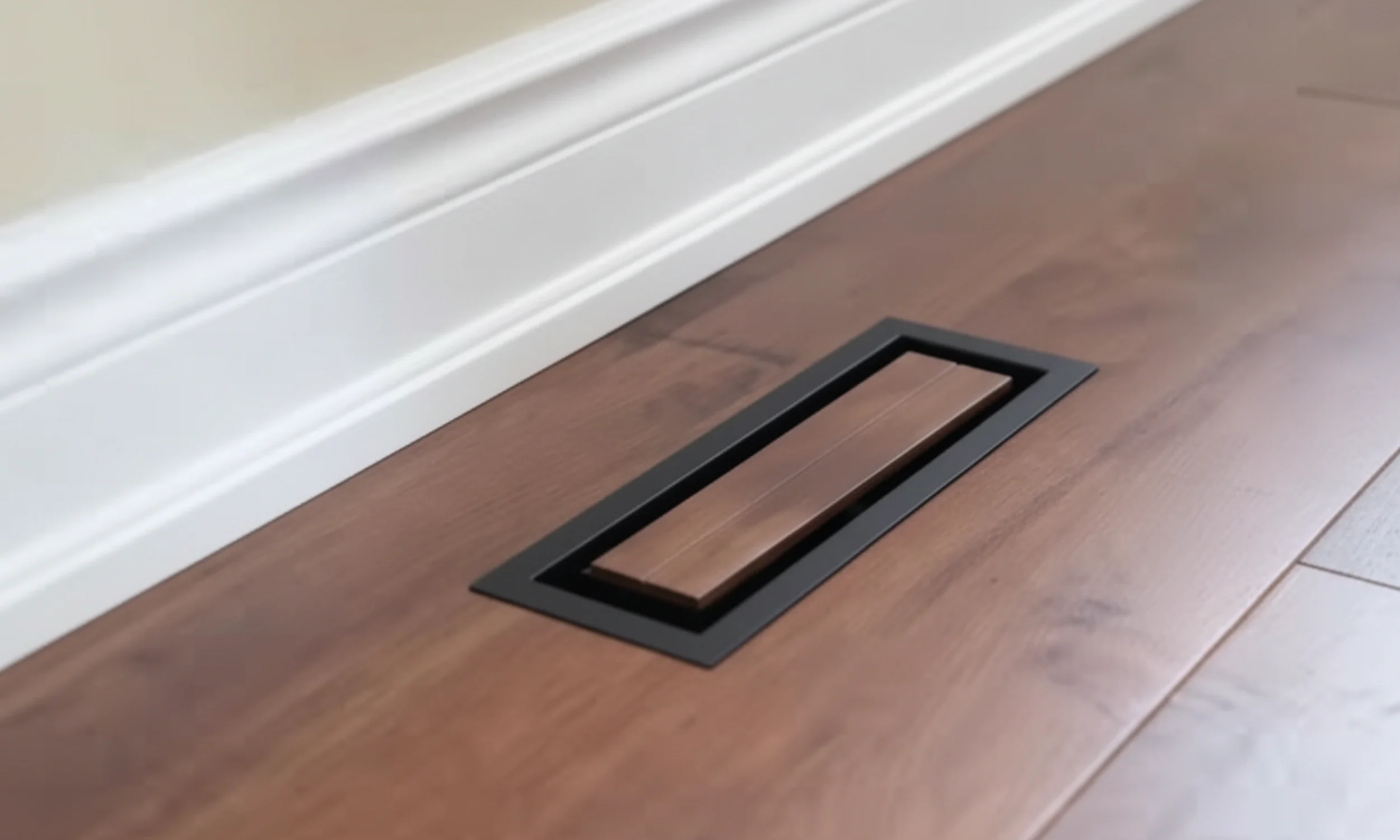
Aria vents are decorative ventilation grilles designed to replace the plain, utilitarian vent covers that come standard with most HVAC systems. They’re made for floor registers, wall vents and ceiling diffusers — anywhere air flows in or out of your duct system. The brand has become a go-to in the finishing trades because they’ve put real thought into sizes, finishes and grille patterns that actually work in modern interiors.
Unlike the stamped steel or plastic grilles you’ll find at any hardware store, Aria vents are manufactured with a focus on appearance. They come in a wide range of finishes — white, black, brushed nickel, oil-rubbed bronze and more — and their grille patterns are clean enough to look intentional rather than like an afterthought. Some profiles are slim and linear; others have a more classic louvre layout. The point is you’re choosing based on what fits the room, not just grabbing whatever’s in stock at the nearest big-box store.
The covers are available in all standard duct sizes — 4×10, 4×12, 6×10, 6×12 and so on — so compatibility with existing ductwork is rarely an issue. They also make moisture-resistant versions suited for bathrooms and kitchens, where standard steel grilles tend to rust or discolour within a couple of years.
The function is exactly the same as any other vent cover: air moves through, the duct opening stays protected and airflow gets directed. The difference is purely in how they look doing it. And in a well-finished room, that difference is noticeable.
Why Standard Vent Covers Fall Short
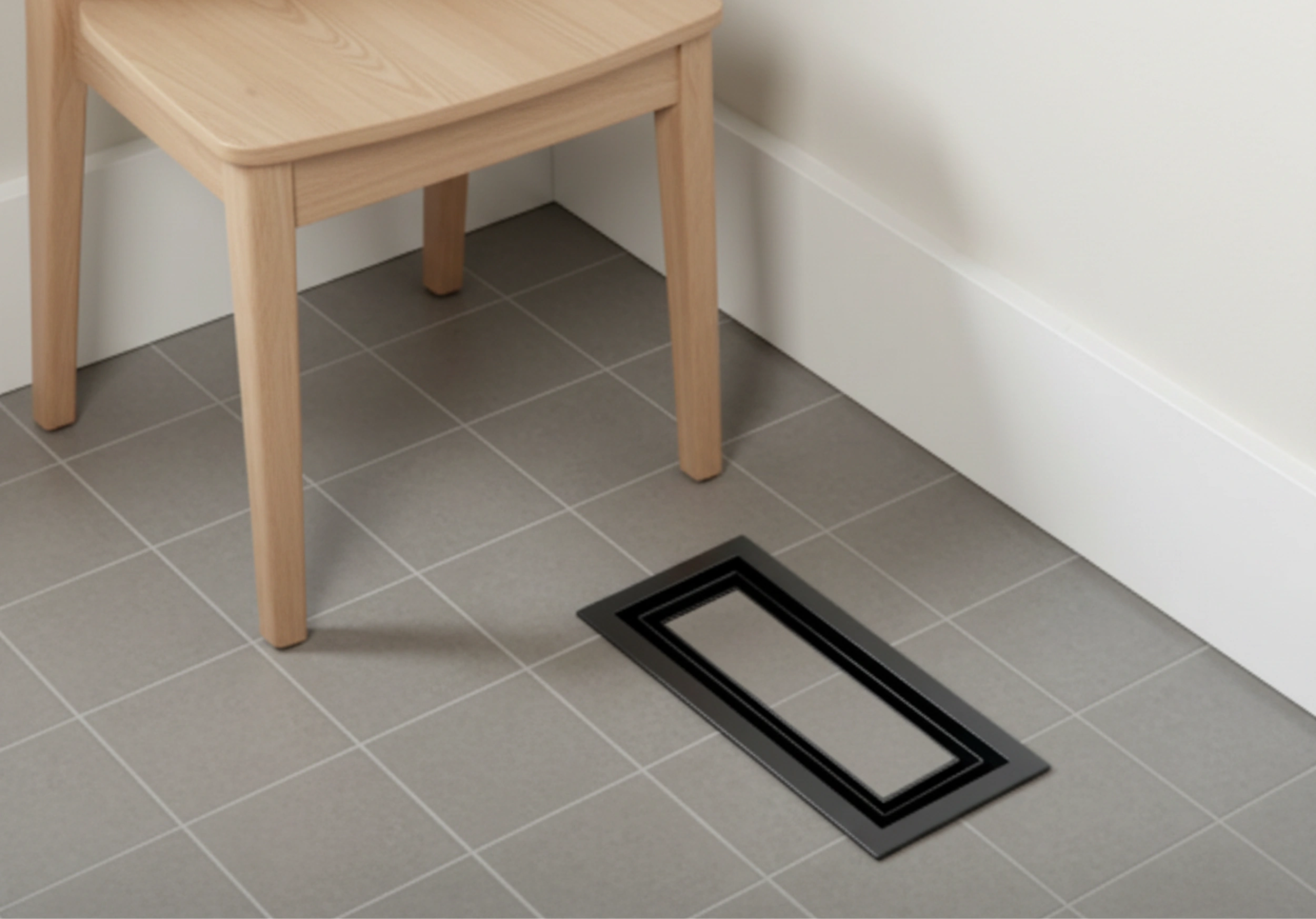
Here’s the honest version: standard vent covers are designed to be cheap and functional. That’s it. They’re stamped from thin metal or moulded plastic, the finishes oxidize or yellow over time, and the louvre pattern is purely industrial. On a freshly drywalled wall with smooth finish and fresh paint, they stand out — and not in a good way.
Think of it like putting a new countertop in your kitchen but leaving the cabinet hardware from 1994. Everything else can look great; one dated detail pulls the whole room down.
In renovations and new builds, clients spend real money on finishes. Trim profiles, switch plates, door hardware — all chosen carefully. Vent covers are often the last thing anyone thinks about, and it shows.
Where Aria Vents Make the Most Difference
Not every room demands a premium vent cover. But in certain spaces, the upgrade is obvious. A lot of it comes down to visibility and finish level — the higher both are, the more a standard grille sticks out. In the GTA specifically, we work in a lot of homes built between the 1960s and 1990s where forced-air HVAC was the standard and floor registers are everywhere: main hallways, living rooms, bedroom floors, basement walls. These homes are getting renovated constantly, and the vent covers are almost always the last thing updated.
The spaces where we most often recommend the upgrade:
- Living rooms and open-concept main floors — high visibility, lots of natural light, vents get noticed
- Primary bedrooms — especially where floor registers sit near baseboards in the sightline
- Bathrooms — moisture-resistant versions available; the finish holds up better than standard steel
- Finished basements — vent covers are often right at eye level on walls; standard covers look industrial in a finished space
- Offices and home studios — clean, low-profile grilles reduce visual noise
- Kitchens after a renovation — new cabinets, new counters and then a rusting floor register near the island is a jarring contrast
Ceiling vents in recently re-drywalled rooms are another common fit. After popcorn ceiling removal and a fresh smooth finish, a dated plastic diffuser becomes the only thing that breaks the look. We see this regularly — clients invest in the ceiling work, love the result and then notice the vent cover for the first time.
Installation – What’s Involved
Aria vent installation is straightforward — it’s one of the final steps we complete on a drywall project, right alongside touch-ups and cleanup. The key is sequencing it correctly. Vent rough openings need to be set during board installation, finished properly with tape and compound and the grille goes in last — after paint is dry. That order matters.
When homeowners try to swap covers themselves on an improperly finished opening, the grille either sits proud of the wall or leaves visible gaps around the frame. We see it often enough in older GTA homes where the original installer just cut a rough hole and called it done. The process varies slightly depending on the vent type.
Floor Registers
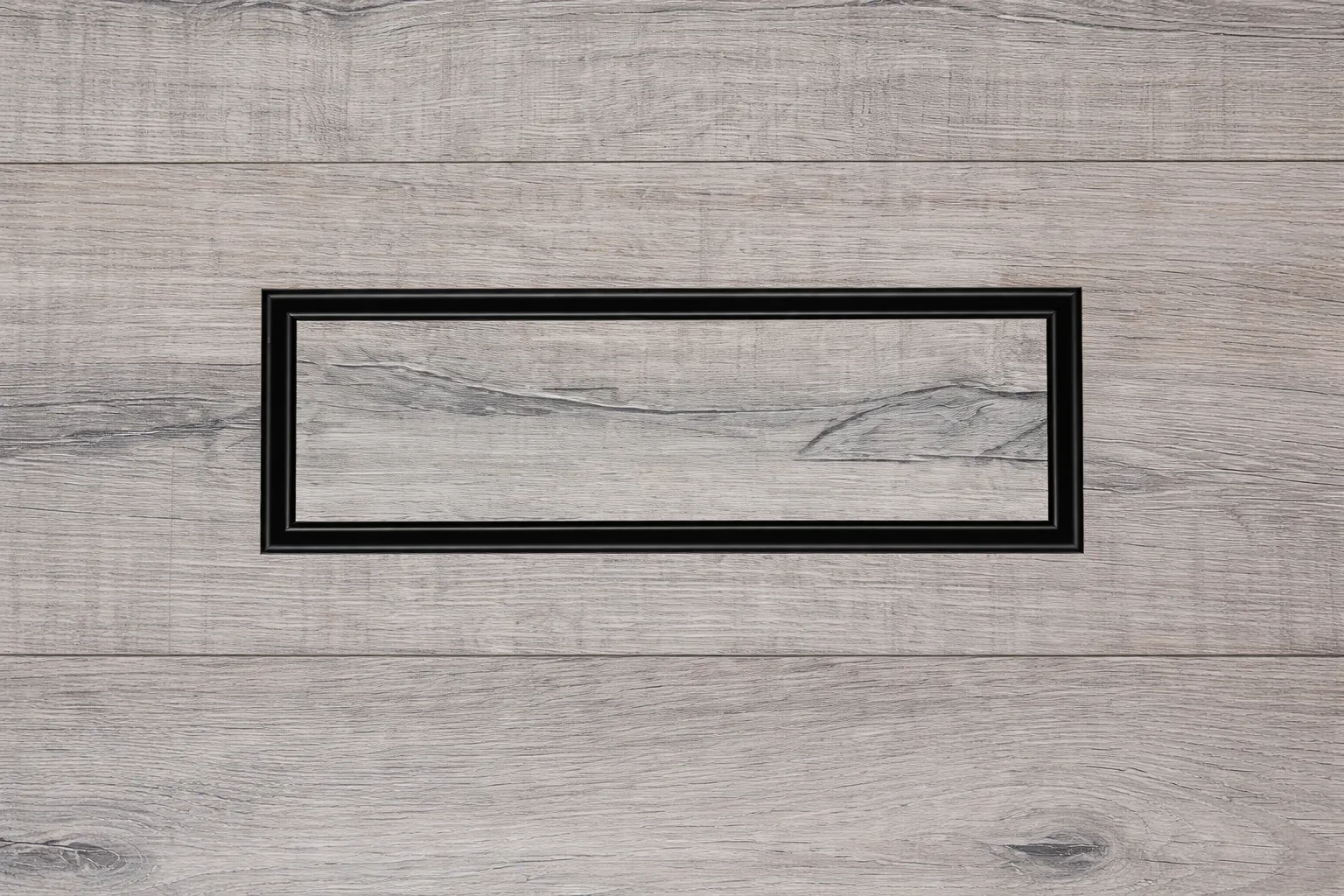
Floor registers are cut in during framing and finishing. If the register size matches an Aria model — and most standard sizes are covered — it’s a direct swap. If the opening needs adjustment, which sometimes happens in older homes with non-standard duct rough-ins, we handle that as part of the scope. The surrounding drywall and subfloor transition need to be clean for the register to sit flush.
Wall Vents and Ceiling Diffusers
Wall vents mount to the drywall surface. We set the opening during board installation, tape and finish around it properly, and install the grille once the finish work is done and paint is dry. Done right, the grille sits flush with the wall with clean, tight margins. Ceiling diffusers follow the same principle — proper rough opening, clean finish around the perimeter, diffuser installs last.
One thing worth knowing: if the existing rough opening is the wrong size or the drywall around it is damaged or unfinished, that work needs to happen before the grille goes in. We always assess the surround as part of the project, not after.
Are They Worth the Cost?
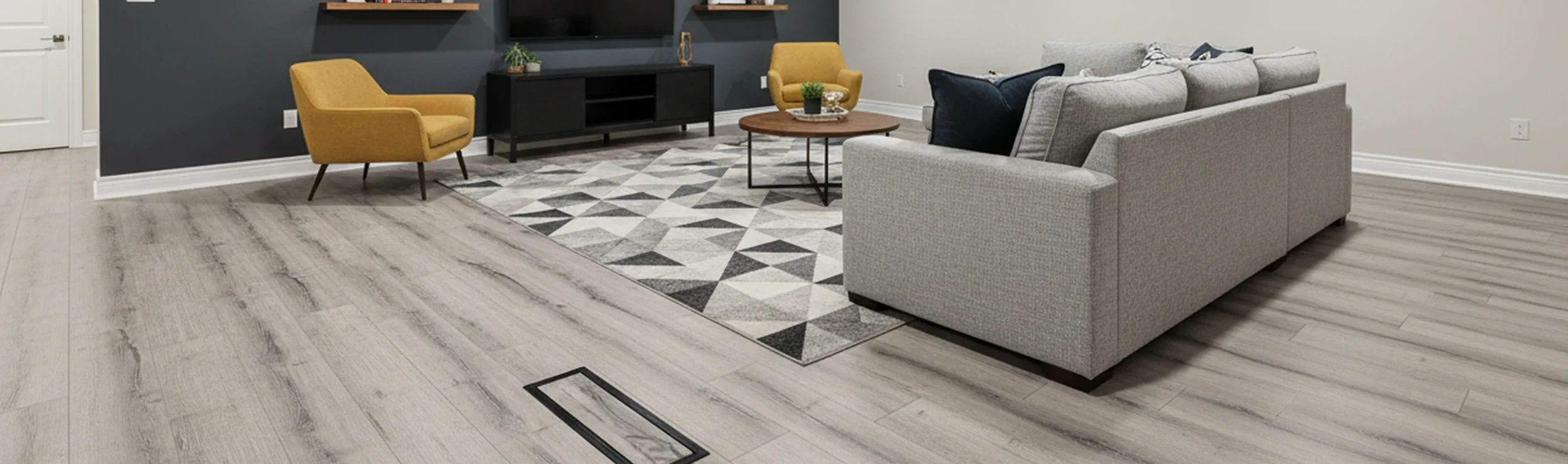
Aria vents cost more than standard covers — typically $30–$80 per unit depending on size and finish, versus $8–$20 for a standard grille. On a full home with 10–15 vents, you’re looking at a few hundred dollars in product cost. That’s real money, and it’s worth being clear-eyed about when it makes sense. The answer depends mostly on what kind of project you’re doing and how long you plan to live with the result.
For Renovation and New Finish Projects
For most people doing a full renovation or new finish project, the upgrade is a minor line item. The visual return is disproportionate to the cost — especially in rooms where you’ve already invested in smooth finish walls, quality trim and paint. For a single room refresh, the math is even simpler: one Aria floor register costs less than a decent set of cabinet knobs. It’s not a significant decision.
When Standard Covers Make More Sense
Where it becomes a real question is in investment properties or tenant spaces where durability matters more than aesthetics. Standard covers are easier to replace if they get damaged and cheaper to stock. That’s the honest trade-off — Aria vents are the right call for spaces you’re finishing to a high standard and plan to keep that way.

Part of a Finished Project, Not an Add-On
We offer Aria vent installation as part of our drywall finishing scope — not as a separate service call. When a project includes framing, board, taping, mudding and finishing, we account for vent rough openings throughout and install the grilles at completion. That’s the right way to do it: the opening is set correctly during board installation, finished with the rest of the wall, and the grille goes on last when the paint is fully dry. No gaps, no proud edges, no caulk hiding sloppy work.
If you’re replacing vent covers in an already-finished space, we can assess whether the current drywall surround is in good enough shape or whether it needs any patching first. Sometimes homeowners try to swap covers themselves and find the drywall around the opening was never properly finished to begin with — just covered up. That’s common in homes where the original build was rushed or where multiple trades worked around each other without anyone owning the final finish. We fix that as part of the work.
It’s also worth asking about Aria vents early in a project, not at the end. If you know which finish and profile you want, we can make sure the rough openings are sized to match from the start. Retrofitting a slightly different size after the walls are finished is doable — but it’s extra work that’s easy to avoid.
Express Drywall Services has been finishing residential and commercial spaces across Toronto and the GTA for more than 20 years. We’ve installed drywall across more than 5 million square feet of space — and the details like vent surrounds, clean margins and proper rough openings are part of every project, not an afterthought. Every project comes with a 1-year warranty and a free on-site estimate within 48 hours.
Ready to talk through your project? Call (416) 250-6856 or get in touch to book your free estimate.