
 (416) 250-6856
 contact@drywalltoronto.ca
 Mon-Fri: 8AM - 4PM

Drywall Finishes Explained – Which One Is Right for Your Project?
Most walls look simple – until the lights turn on. That’s when every seam, shadow and roller mark starts to show what kind of drywall finish you really have. At Express Drywall Services, we’ve seen it all: Level 1 jobs pretending to be Level 4, rushed patchwork hidden under fresh paint and “quick” fixes that only look good for a week. Choosing the right drywall finishes isn’t about over-engineering – it’s about understanding where perfection matters and where practicality wins.
A drywall finish defines how smooth, sealed and paint-ready a surface is. It’s the difference between a clean professional corridor and one that looks patched together under spotlights. Every project – from office towers to tenant suites – needs the right balance between durability, appearance and cost. This guide breaks down how each finish level works, when it’s worth paying for the upgrade and what we do at Express Drywall Services to make those walls perform for years.
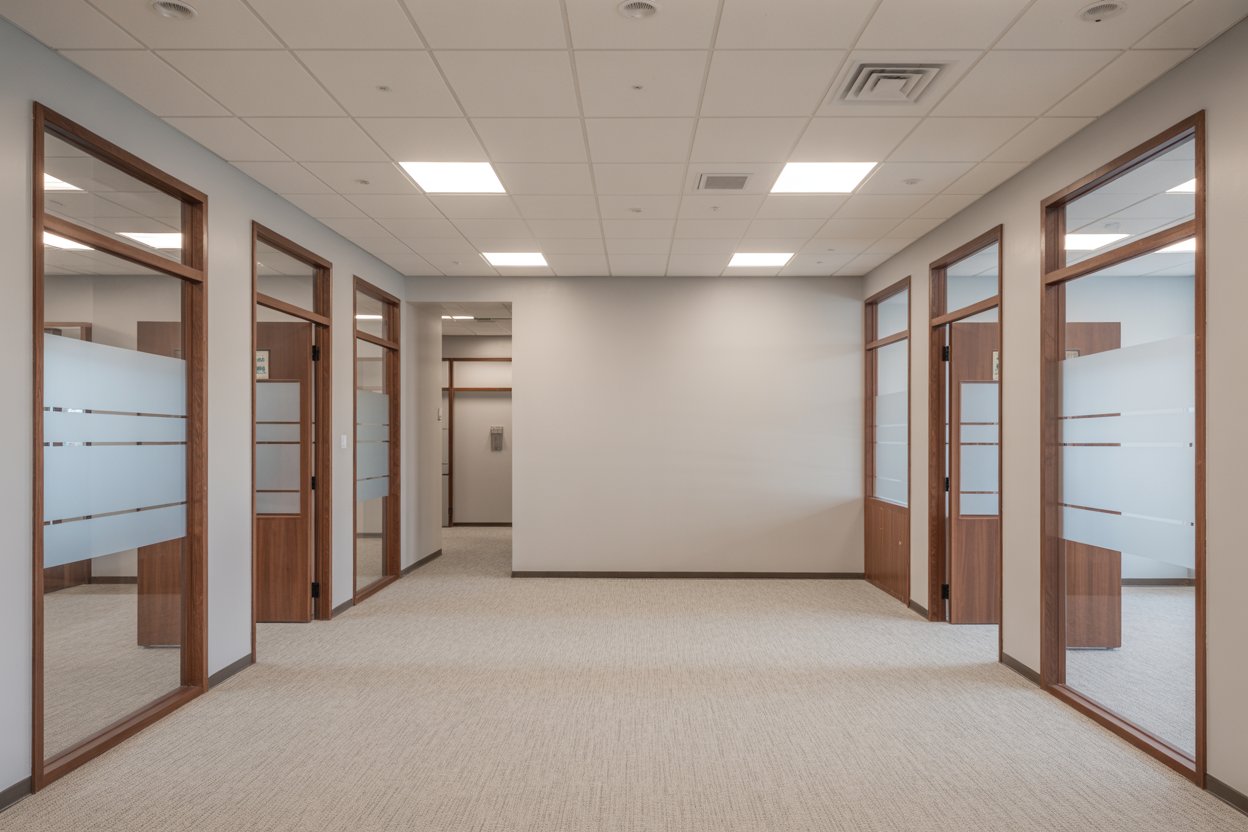
What a Drywall Finish Actually Means
A drywall finish isn’t paint – it’s the process before the paint that makes or breaks the result. Each wall passes through layers of taping & mudding, sanding and inspection before it’s ever considered “finished.” These levels are defined by GA-214, the industry standard that sets expectations between contractors, designers and inspectors. Without that language, one person’s “ready to paint” becomes another’s “still needs a coat.”
In practical terms, drywall finishes measure how visible joints and fasteners are after lighting hits the wall. A Level 2 wall might be fine for a warehouse, while a Level 5 belongs in a downtown office lobby with bright LED lighting. The higher the level, the smoother the surface – but also the longer it takes to achieve. Every project balances time, cost and visual quality and that’s where experience counts.
A proper finish also protects long-term durability. Poorly sealed joints and uneven compound layers can lead to visible ridges, cracking or paint absorption issues months later. That’s why we treat finishing as both an art and a system – every coat has a purpose, every pass builds consistency. At Express Drywall Services, we don’t just aim for smooth walls; we aim for walls that stay smooth after years of light, heat and movement.
Why Standards Matter
We’ve walked into too many projects where no one defined the finish level upfront. It always ends the same: extra sanding, schedule delays and finger-pointing. Using GA-214 gives everyone the same target from day one – and saves a lot of rework later. Clear standards also help clients understand what they’re paying for – whether it’s a quick backroom finish or a flawless lobby wall. When expectations are written, not assumed, communication improves and change orders disappear. At Express Drywall Services, we start every project with defined finish levels because it’s easier to meet a standard than to guess it after the paint dries.
The Six Levels of Drywall Finishing
There are six levels and each serves a purpose. None is “better” in isolation – only better suited to a particular environment. Here’s the short version we use on-site:
-
Level 0 – Pre-construction stage. Panels hung but not taped. Used for temporary walls or layout reviews.
-
Level 1 – Concealed areas. Taped seams with minimal mud. Found in plenum spaces, attics, service shafts.
-
Level 2 – Utility areas. One coat of compound, visible joints accepted. Works for storage or back-of-house zones.
-
Level 3 – Heavy textures. Two coats, designed for spray textures or thick paint. Common in corridors and retail.
-
Level 4 – Standard painted finish. Three coats and full sanding. This is what most offices and homes get.
-
Level 5 – High-end finish. A skim coat over the entire surface for flawless results under critical lighting.
Most clients assume Level 5 is the goal – until they learn what it costs and how specific its use case really is. In reality, 80% of interiors do perfectly fine with Level 4. We help our clients choose what fits the space, not just the spec sheet.
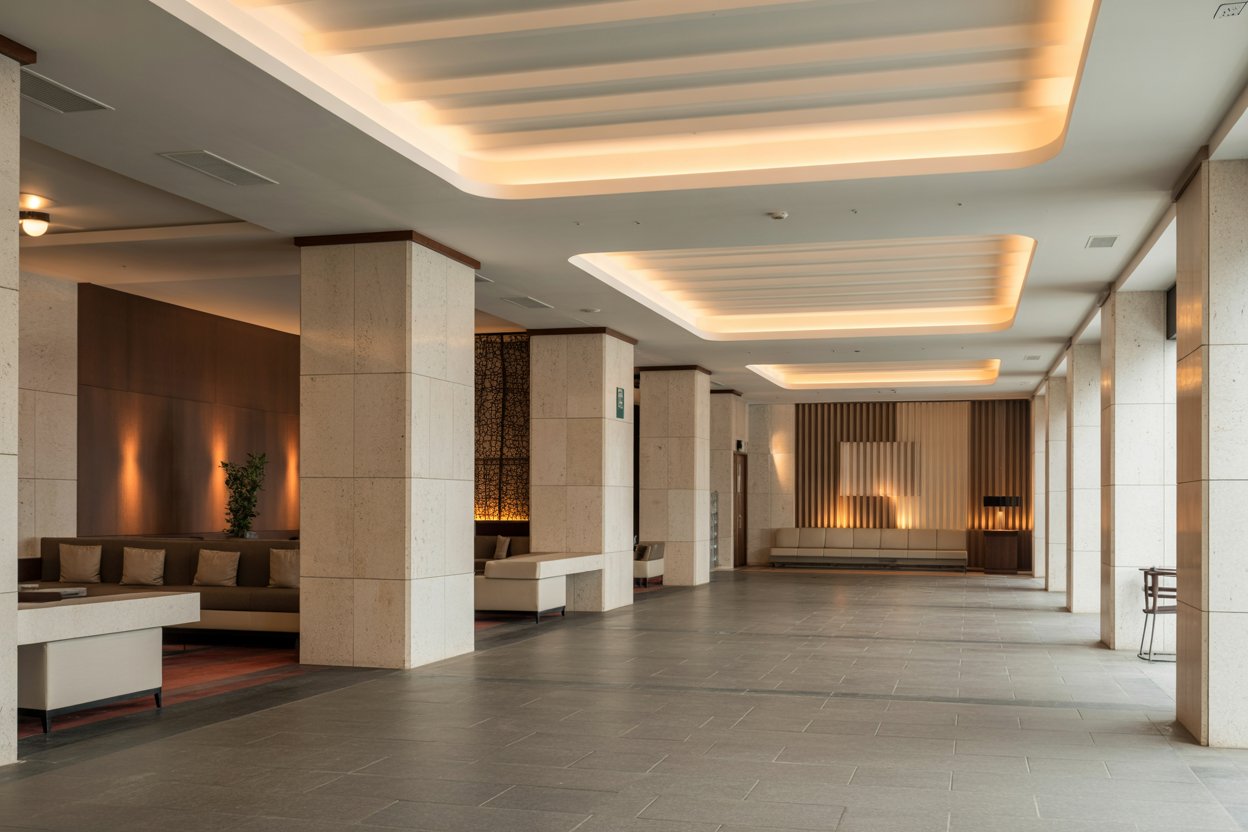
How Lighting and Paint Affect the Final Look
Lighting turns drywall from good to great – or from passable to painful. A perfectly sanded wall under soft light might look rough under a spotlight or daylight glare. We’ve seen brand-new offices where the same wall looked flawless in the morning and full of shadows by afternoon. Why? Because the fixtures were installed before the final sanding pass.
Light rakes across the surface and exposes even tiny imperfections. That’s why we plan drywall finishing around fixture placement, not the other way around. LED strips, recessed downlights and wall washers demand higher finish levels, especially in hallways and lobbies.
Paint Sheen Makes a Difference
Gloss and semi-gloss paints exaggerate every joint line. Flat and matte finishes hide them better. It’s not just about aesthetics – it’s physics. The shinier the paint, the more it reflects uneven light. We always match paint type to the chosen finish level so the final result actually looks as intended. In spaces with direct sunlight or strong spotlights, even a small sheen upgrade can reveal flaws you didn’t know existed. That’s why we test sample panels under real lighting before final approval – a simple step that saves a lot of repainting later.
Choosing the Right Finish for Your Space
Not every wall deserves Level 5 – and that’s not a bad thing. In commercial work, we match drywall finishes to how a space will be used, how it’s lit and how close people will stand to the walls. For example, a retail stockroom doesn’t need the same treatment as a downtown law office.
For offices, Level 4 is the sweet spot: durable, sanded smooth and ready for light colors or matte paints. Retail areas often use Level 3 – fast to complete, forgiving for textured coatings. Tenant spaces vary between Level 3 and 4, depending on turnover speed and lighting. And in healthcare or hospitality, where reflections and hygiene matter, Level 5 is worth the investment.
Cost vs. Performance Trade-Offs
A Level 5 finish can add 20–30% more labor time. For many projects, that’s not justified unless the lighting demands it. Our job is to guide clients to the finish that fits their design and timeline – not the one that just sounds premium. Sometimes, upgrading one wall – like a reception feature or boardroom accent – makes more sense than treating the entire space. The smartest budgets focus on visibility zones, not square footage. At Express Drywall Services, we help clients spend where quality shows and save where it won’t.
Common Mistakes in Drywall Finishing
We’ve fixed plenty of “almost done” jobs that went wrong for the same reasons. The biggest mistake? Rushing. Joint compound has drying times for a reason and skipping them leads to cracks and bubbling. The second is lighting – sanding in dim or uneven light hides flaws that show up the next morning. And the third – skipping primer. Paint alone can’t seal porous compound, so the surface ends up blotchy.
Another common issue is mixing materials that don’t belong together – one brand of compound, another for primer and a random paint on top. Compatibility matters more than most realize. We’ve also seen walls fail because no one controlled humidity on site; too much moisture and even the best mud won’t cure evenly. And finally, cleanup: leaving dust behind before primer guarantees texture inconsistency.
At Express Drywall Services, we take extra time for those “invisible” steps – controlled drying, inspection lighting and clean surface prep – because that’s where true quality lives. Every flawless finish starts with what you don’t see.
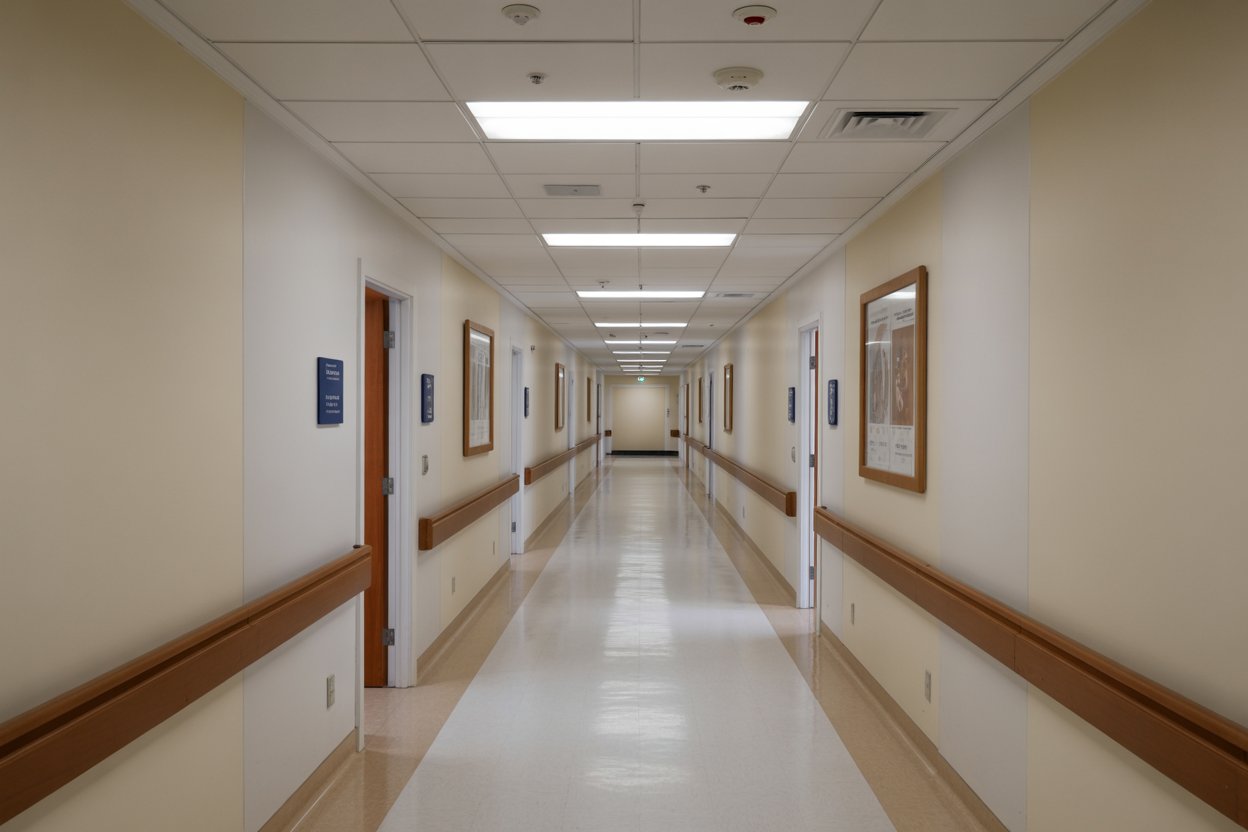
How Express Drywall Services Ensures a Flawless Finish
We don’t chase perfection with luck; we build it into the process. Our team starts by checking substrate flatness, humidity and joint alignment before the first tape roll comes out. Then we layer each coat under controlled temperature and lighting, using compounds tested for consistency. Each wall is inspected from multiple angles under both soft and direct light before it’s cleared for primer.
For high-end commercial work, we create a “mock-up wall” early in the project – a small section finished to the target level. The client and designer sign off on it before production begins. That single step eliminates confusion and sets a shared standard for the entire job.
At Express Drywall Services, we believe drywall finishes are as much about craftsmanship as they are about trust. Our reputation depends on walls that look right the first time, stay clean under light and hold up after years of use. That’s why every finish we deliver – from Level 2 to Level 5 – is treated like the only wall that matters.
Let’s Talk About Your Finish Level
Send us your layout or spec sheet. At Express Drywall Services, we’ll show you which finish level fits your project, your lighting and your budget. Whether you need a clean Level 4 office finish or a flawless Level 5 for your new showroom, we’ll make it look exactly as good as it should. No overpromising, no shortcuts – just drywall that performs and impresses.