
 (416) 250-6856
 contact@drywalltoronto.ca
 Mon-Fri: 8AM - 4PM

What to Do About Water-Damaged Drywall – Your Comprehensive Homeowner’s Guide
In this post, we’re going to talk about something that might seem like a minor inconvenience at first, but can quickly turn into a serious – and expensive – problem: water-damaged drywall. It’s one of those issues many homeowners underestimate, often until it’s too late. By the time you notice the signs, the damage may already be more than skin-deep. At Express Drywall Services, we’ve seen how a little water can cause a lot of trouble and in this guide, we’ll walk you through how to spot the problem early, what steps to take right away and why having it professionally repaired is the smartest move you can make.
Understanding Water Damage and Its Impact on Drywall
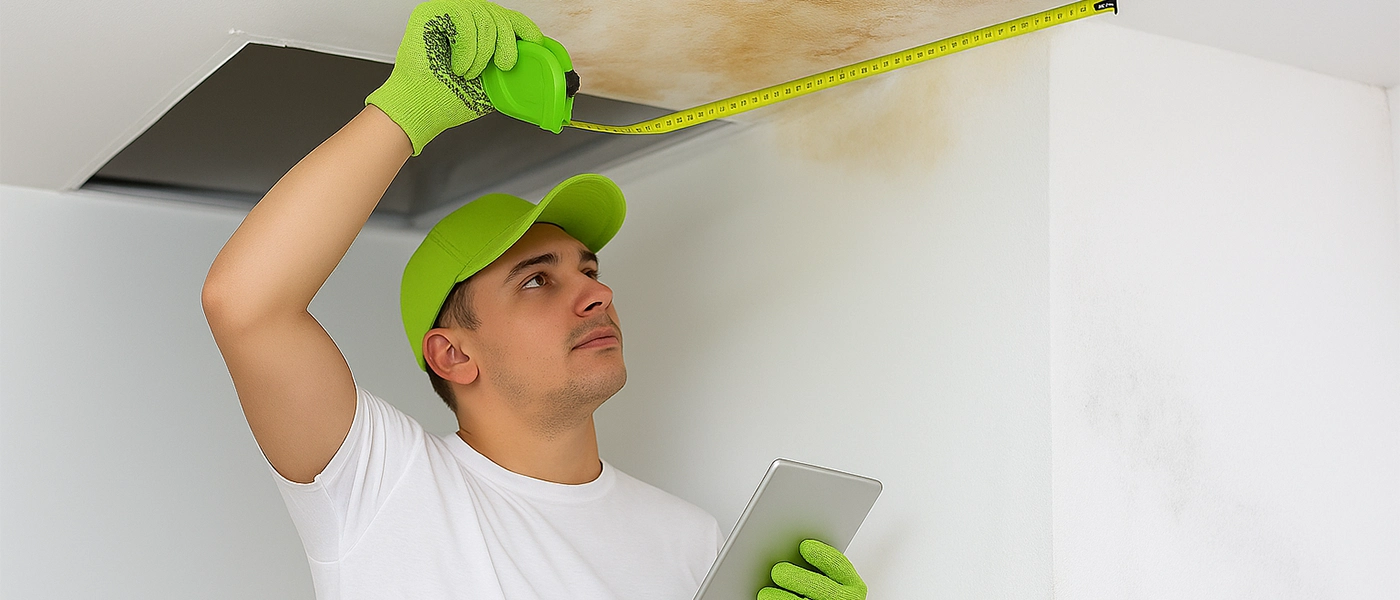
Drywall might seem solid and sturdy, but beneath its smooth surface lies a gypsum core that’s far more fragile than most people realize. The moment moisture finds its way in – whether from a slow plumbing leak, a burst pipe or even prolonged humidity – the integrity of that core starts to break down. Once weakened, the paper facing can bubble, peel or stain and if the issue isn’t caught quickly, mold can begin to form in as little as 48 hours.
Why Small Water Issues Can Lead to Big Problems
What’s tricky is that the damage doesn’t always shout for attention. A small water mark tucked away in a corner might seem harmless, but water has a way of traveling, quietly affecting insulation, wiring and even the framing hidden behind your walls. By the time you notice visible changes, the problem may already be much larger than it appears.
And it’s not just about looks. In both homes and commercial buildings, compromised drywall becomes a real safety concern. Once it loses its load-bearing capacity, walls can bow, ceilings can sag and entire sections may be at risk of collapse. That’s why early detection and quick action aren’t just good practice – they can make the difference between a simple repair and a full-scale restoration.
How Water Weakens Drywall
When drywall absorbs water, it doesn’t simply get damp – it changes physically and permanently:
-
Loss of Rigidity. The core softens, crumbles and loses strength.
-
Surface Damage. Paint peels, wallpaper loosens and visible warping appears.
-
Fastener Loosening. Nails and screws lose grip as the surrounding material deteriorates.
-
Structural Compromise. In ceilings, heavy, waterlogged panels may bow or give way entirely.
Even if the drywall appears dry to the touch, trapped moisture inside can leave it brittle and unsafe. If you’re unsure, it’s best to treat it as compromised until proven otherwise by a moisture inspection.
Spotting Signs of Hidden Moisture
Water damage doesn’t always make a dramatic entrance. More often, it creeps in quietly, showing itself through small changes that are easy to overlook. You might notice paint starting to peel or bubble in certain spots or faint yellow, brown or gray stains spreading across a wall or ceiling. Sometimes it’s a musty, damp smell that lingers in a room, hinting that mold may be hiding nearby.
When you press on the surface, the drywall might feel softer or spongier than it should and in some cases, baseboards or crown molding can begin to warp and pull away from the wall. These signs may seem minor, but they’re often just the tip of the iceberg. Moisture has a way of traveling far beyond the original leak, meaning the damage you see could be only a small part of a much larger problem waiting beneath the surface.
Common Causes of Water Damage
Not all water damage happens suddenly – in fact, many cases develop slowly over time, making them harder to spot until it’s too late. Understanding where moisture typically comes from can help you catch problems early and protect your walls from costly repairs. Water-damaged drywall often traces back to a few culprits:
-
Plumbing Leaks and Burst Pipes – Slow drips hidden behind walls can cause months of unnoticed damage, while a burst pipe can flood a room in minutes. Both require urgent replacement of affected drywall.
-
Roof Leaks and Exterior Water Intrusion – Damaged shingles, cracked flashing or clogged gutters let rainwater seep in, often unnoticed until stains appear inside.
-
High Humidity and Condensation – Kitchens, bathrooms and basements are hotspots for moisture buildup, especially without proper ventilation. Over time, this constant dampness weakens drywall just as much as a leak.
Assessing the Damage – DIY vs. Professional Help
Before diving into repairs, assess the situation. For small, visible issues – like a minor patch of discoloration – you might be tempted to handle it yourself. But water damage often extends further than you think. Press gently on the wall; if it feels soft or makes a crunching sound, the gypsum core is compromised.
Professionals use moisture meters to detect hidden dampness behind the surface. They can also identify whether insulation, wiring or framing has been affected. If you’re dealing with anything more than a small surface stain or if you suspect mold, professional intervention is the safest route.
What to Do When You Spot Water Damage
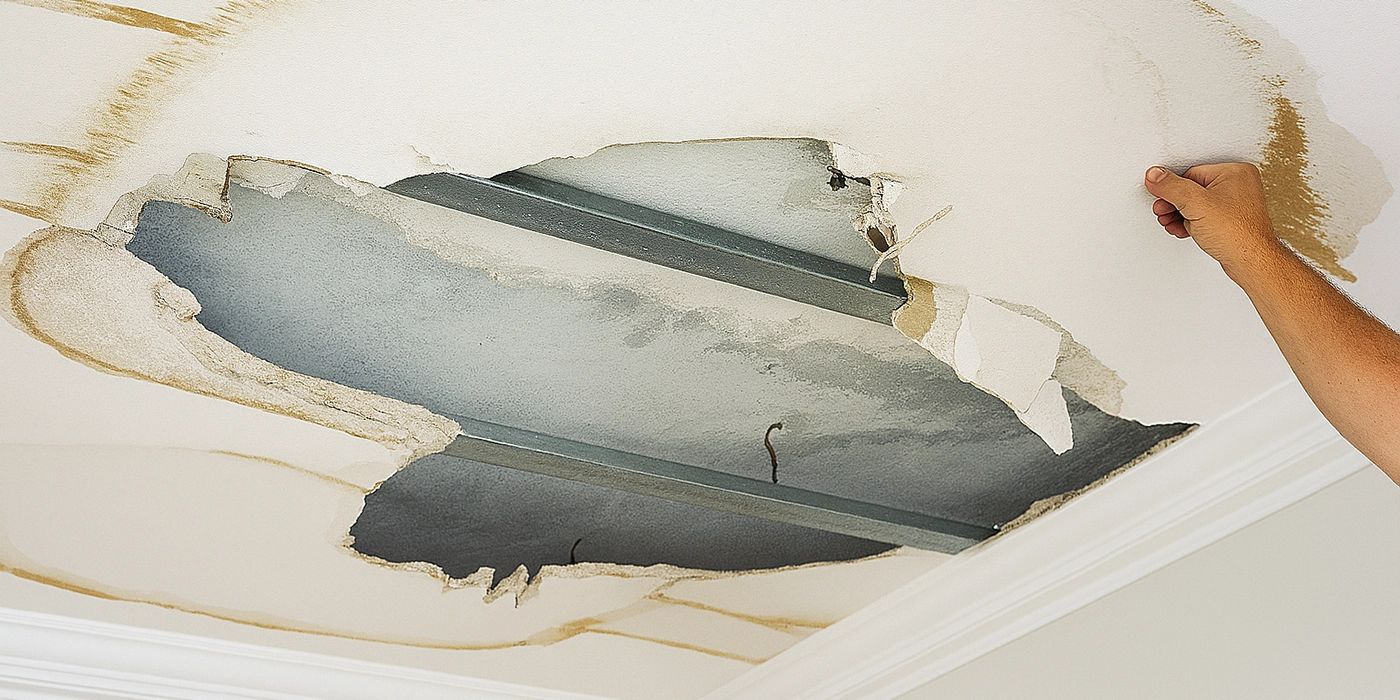
The first 24–48 hours are critical. Here’s your action plan:
-
Stop the Source of Moisture. Shut off water supply to fix plumbing leaks, use tarps to block roof leaks and turn off nearby electrical circuits for safety. Document the damage for insurance claims.
-
Dry Out the Area. Open windows, use fans and run a dehumidifier. Skip the high heat, which can trap moisture inside. Remove baseboards to improve air circulation.
-
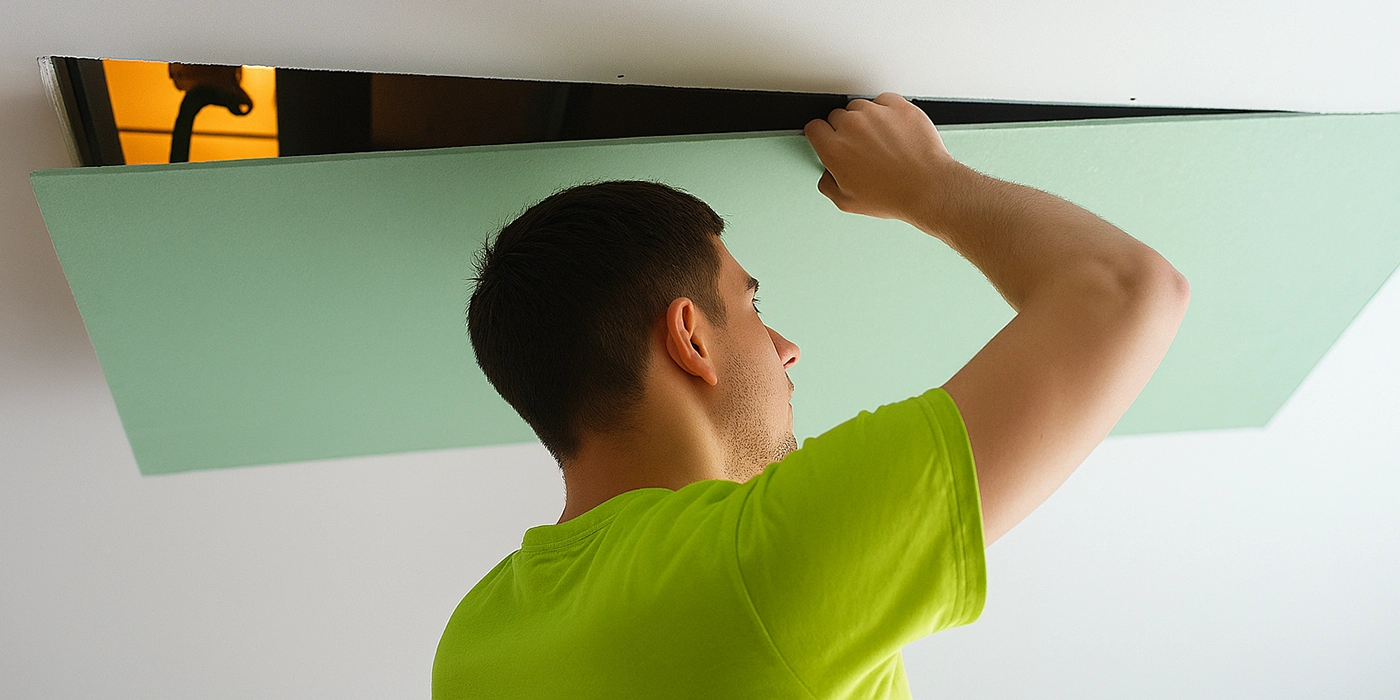
Remove and Replace Damaged Drywall. Once drywall is wet through, it can’t be saved. Cut out affected sections, disinfect the framing and use moisture-resistant drywall in replacements – especially in high-risk areas.
Mistakes Homeowners Make When Dealing with Water-Damaged Drywall
Many well-intentioned homeowners accidentally make the situation worse when trying to handle water-damaged drywall on their own. Without the right approach, even small mistakes can allow moisture to spread, weaken the wall’s structure and create the perfect environment for mold growth. From delaying action to using the wrong repair materials, these errors can turn a manageable fix into a full-scale renovation. Avoiding these common pitfalls not only saves time and money but also ensures your home stays safe, dry and structurally sound. Taking quick, informed action is the best way to prevent a minor issue from becoming a major problem.
Waiting Too Long to Act
Every hour counts when dealing with water-damaged drywall. Moisture spreads quickly through the material and into surrounding structures. If left untreated, mold can begin forming in as little as two days, turning a minor repair into a major restoration project.
Painting Over the Damage
Some homeowners try to hide water stains with a fresh coat of paint, but this only masks the problem. Trapped moisture continues to degrade the drywall from the inside, often causing paint to bubble, peel or discolor again. The underlying damage must be repaired before painting.
Skipping a Moisture Inspection
Just because the surface looks dry doesn’t mean the problem is gone. Moisture can remain hidden behind walls, where it weakens the structure and fosters mold growth. A professional moisture inspection ensures that all affected areas are identified and properly addressed.
Using the Wrong Replacement Materials
Replacing damaged sections with standard drywall in a high-moisture area is a costly mistake. Moisture-resistant drywall or cement board should be used in bathrooms, basements and kitchens to prevent future water-related damage.
Not Addressing the Source
Repairing the drywall without fixing the cause – such as a roof leak, plumbing issue or poor ventilation – will only lead to repeated damage. Identifying and resolving the source of moisture is essential for a lasting repair.
Why Professional Repair Matters
DIY fixes might seem cost-effective, but hidden water damage can escalate quietly, causing future repairs to cost much more. Professional repairs ensure that the source is eliminated, the structure is sound and the finish is seamless. At Express Drywall Services, we also take steps to prevent future issues by using antimicrobial treatments and moisture-resistant drywall. This way, your walls not only look flawless now but stay strong for years.
The Express Drywall Services Advantage
Choosing the right contractor isn’t just about fixing what’s broken – it’s about ensuring the problem never comes back. Our team combines years of hands-on experience with advanced tools to detect moisture that others might miss. We don’t just replace drywall; we address the underlying causes, protect surrounding materials and finish every job to look as if the damage never happened.
By integrating preventive measures like mold-resistant coatings, upgraded ventilation advice and moisture-barrier solutions, we help homeowners avoid repeat repairs. And because we offer a full range of drywall and finishing services, you can count on us for any wall or ceiling project – from emergency repairs to complete remodels.
How Express Drywall Services Handles
When water gets into your walls, you need more than a quick patch – you need a team that knows exactly how to stop the damage and make your space feel like home again. At Express Drywall Services, we’ve refined a simple, proven process that gets it done right the first time.
We start by checking every inch of the wall with a moisture inspection, so nothing is missed – even the water you can’t see. Then we carefully remove the damaged drywall without letting mold or debris spread to the rest of your home or business. The framing underneath gets an antimicrobial treatment to protect it from mold, rot and future decay.
Once the structure is safe, we install moisture-resistant drywall that’s built to handle everyday life – and occasional surprises – without breaking down. Finally, we give your walls a smooth, flawless finish and fresh paint, so they look like nothing ever happened. From homes to offices, we handle every project with care and minimal disruption, leaving you with strong, beautiful walls and complete peace of mind.
Preventing Water Damage in the Future
The best defense against water damage is a proactive approach to home maintenance. Start by regularly inspecting your roof and gutters, especially after heavy storms, to catch potential issues before they cause leaks. Make it a habit to check under sinks and around appliances for any signs of dripping or pooling water.
In basements, keep humidity below 50% by using a dehumidifier, which helps prevent both structural damage and mold growth. Every few years, reseal windows and doors to maintain a tight barrier against moisture. And in areas prone to dampness, like bathrooms or basements, choose moisture-resistant drywall and maintain proper ventilation year-round – simple steps that can save you from costly repairs down the road.
Why Choose Express Drywall Services for All Your Wall and Ceiling Needs
While water damage repair is one of our specialties, it’s far from the only service we provide. At Express Drywall Services, we handle a full range of drywall and interior finishing projects for both residential and commercial clients. That means once your water damage is fixed, we can help you take your space even further — whether you’re renovating, upgrading, or starting from scratch.
Our additional services include:
-
Drywall Installation and Finishing – Perfect for new builds, home additions and remodeling projects.
-
Taping and Mudding – Creating seamless, smooth surfaces ready for paint or wallpaper.
-
Insulation Installation – Improving energy efficiency and comfort year-round.
-
Soundproofing Solutions – Reducing noise between rooms or units for more privacy.
-
Fire-Resistant Drywall Installation – Enhancing safety in homes and commercial spaces.
-
Ceiling Upgrades – Including popcorn ceiling removal, T-bar and drop ceilings and custom designs.
-
Custom Archways and Decorative Finishes – Adding architectural interest to any room.
By offering complete interior wall and ceiling solutions, we save you the hassle of hiring multiple contractors. Our team works efficiently, keeps worksites clean and ensures every detail meets our high quality standards. Whether it’s a small repair or a full-scale renovation, we’re your one-stop drywall partner in the GTA.
Final Thoughts
Water damage to drywall is never just a cosmetic issue – it’s a sign of deeper trouble. Left alone, it can compromise your home’s structure, invite mold and rack up expensive repair bills. The key is early detection and swift action. At Express Drywall Services, we’ve seen firsthand how quick repairs and preventive steps save homeowners from costly disasters. If you notice any warning signs, don’t wait. Reach out today for a professional assessment and let us restore your walls to perfect condition.